


7 Steps to a Successful PPE Program
Your workers want to live a quality life free from injuries and health issues. If they don’t use the right PPE, injuries and illnesses may result from contact with chemical, radiological, physical, electrical, mechanical, or other workplace hazards. PPE helps minimize exposure to these hazards and proper PPE use sets a tone of compliance that employees, visitors, and OSHA compliance officers will notice. Follow the steps below to ensure your PPE program is effective.
- Use certified PPE to ensure quality and compliance
- Conduct a thorough hazard assessment to determine when PPE is needed
- Implement appropriate control measures to minimize the need for PPE
- Meet your PPE payment obligations
- Choose the right PPE for the job
- Ensure PPE fits properly and comfortably
- Provide hands-on PPE training
PPE Compliance Resources
Need additional guidance? Download our whitepapers and compliance briefs to help keep your PPE program in check.
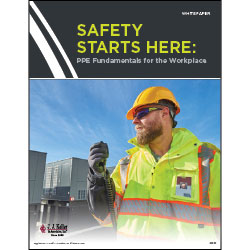
Take an in-depth look at PPE basics with the Safety Starts Here: PPE Fundamentals for the Workplace whitepaper.

Assess workplace hazards and your needs for PPE with the PPE Hazard Assessment Checklist.
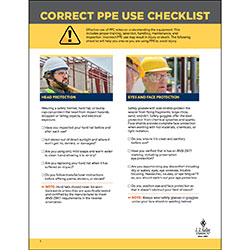
Ensure your personal protective equipment is ready for the job with the Correct PPE Use Checklist.

Learn more about OSHA's revised standard for construction PPE with the Guaranteeing the Right PPE Fit for Construction Worker Protection compliance brief.
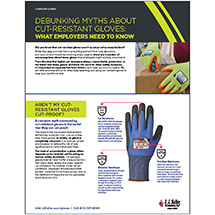
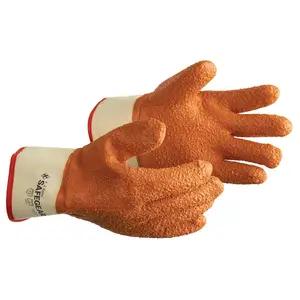
Get insights on cut-resistant glove misconceptions with the Debunking Myths About Cut-Resistant Gloves compliance brief.

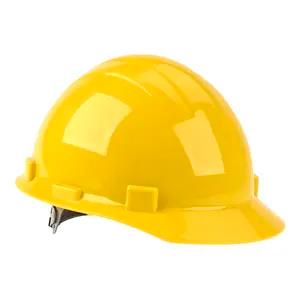
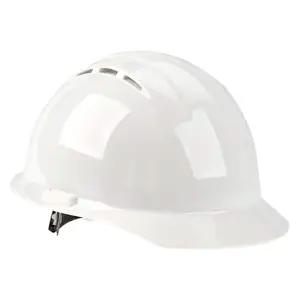
Learn about types, classes and care of head protection with the Head Protection for Your Workers compliance brief.

See how your business compares to the industry with our collaborative study with ISEA: Head Protection Practices and Challenges.
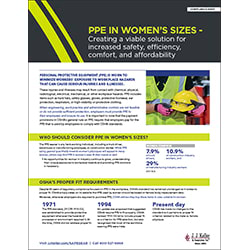
Download the PPE In Women's Sizes whitepaper to understand the importance of properly fitting PPE for women.

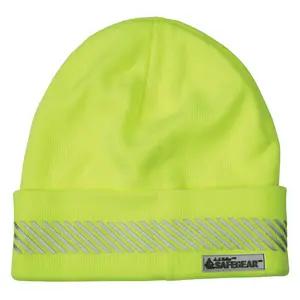
Be prepared to protect workers in winter conditions with the Critical Information For Cold Weather Work compliance brief.

Download the Heat Illness Prevention compliance brief to learn how to keep cool when the temperatures rise.