

In the interest of preventing fatigue-related accidents, the hours-of-service regulations place restrictions on when and for how long drivers of commercial motor vehicles (CMVs) may be behind the wheel. Violations can be costly, and change has been a constant with these complex regulations, including significant revisions in 2020. It’s vitally important to stay on top of HOS compliance at all times.
To track their hours of service most interstate CMV drivers are required to use Electronic Logging Devices (ELDs) in place of paper logs, (although backup paper logs are still required). These devices automatically record driving time and certain other data and facilitate the completion of logs. Canada has also adopted ELD rules to be enforced beginning in 2023, with standards similar to those in the U.S.
As a top supplier of ELDs, log books, training materials, and log auditing solutions, J. J. Keller can help you comply with HOS regulations and keep your CSA scores low. We also offer Canada-specific log books and training that addresses Canadian hours-of-service regulations, as well as logs for oilfield operations and time records for short-haul drivers.
Resources
- General Hours of Service FAQs
- Court – OTR drivers who spend more than 8 hours in a sleeper berth must be paid 12/20/23
- FMCSA limits scope of ‘emergency’ exemption 10/13/23
- What U.S. carriers need to know when operating in Canada 6/14/21
- New adverse driving conditions exception provides more flexibility 9/24/20
- Comparing the old and new sleeper-berth provisions 9/17/20
- HOS changes: 100 becomes 150 air-mile exception 9/9/20
- Getting ready for the HOS changes: 30-minute breaks 9/3/20
Free Whitepapers
- Insights on Today's Fleet Manager
- The Big 5: Your Road Map for a Strong FMCSA Compliance Program
- New Hours of Service Rule Change Viewpoints
- 2020 Hours of Service - Rules and Impacts
- The New 2020 Hours of Service Rule
- DOT Audit Workbook - Assess Your Risk in the 7 BASICs
- Supporting Documents & the ELD Rule
- Weighing the Risk of HOS Exemptions
Topics — What You Need to Know
What are the basic hours-of-service rules for commercial drivers?
For truck drivers:
After 10 hours off duty, the driver of a property-carrying vehicle may drive for up to 11 hours within a 14-hour window of time, must take a 30-minute interruption in driving before doing more than 8 hours of driving, and must stop driving after accumulating 60 or 70 on-duty hours in 7 or 8 days.
For bus drivers:
After 8 hours off duty, the driver of a passenger-carrying vehicle may drive for up to 10 hours within the first 15 on-duty hours of the day, and must stop driving after accumulating 60 or 70 on-duty hours in 7 or 8 days.
For more details, see our HOS training solutions or visit our hours-of-service FAQs.
How does personal conveyance need to be recorded?
If a commercial driver uses a CMV for personal use – also known as personal conveyance – the driver may record the time as "off duty" if certain conditions are met. Most importantly, the driver must be relieved from work and all responsibility for performing work. For instance, drivers may use personal conveyance to commute to and from work, or to travel to local restaurants, shops, etc., if authorized by the carrier.
To learn more about personal conveyance, download a compliance brief, read an informational article or review regulatory guidance (opens a new window).
Am I required to use ELDs/ELogs?
An electronic logging device, or ELD, is a device attached to a commercial vehicle's engine to capture speed, distance and driver location data. The data captured by an ELD can provide critical assessments of fleet and driver performance, helping companies make decisions to improve operations.
Under federal standards, an ELD is required for any driver who is required to use a log on more than 8 days out of any 30 consecutive days. Many short-haul drivers, drivers operating pre-2000 vehicles, and certain driveaway-towaway operations are exempt.
Canada also requires ELDs as of June 12, 2021, but with soft enforcement until January 2023.
For more information on the ELD mandate and our electronic logbooks, visit our ELDs, Elogs & Fleet Technology page.
HOS Compliance Solutions
Get solutions to help you comply with HOS requirements – from electronic solutions that save time and ensure compliance to manuals and training that help you understand the regulations.
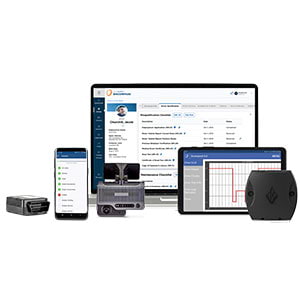
J. J. Keller® Encompass® Fleet Management System with ELogs
Encompass is the industry's most versatile fleet management system. Automate your HOS regulatory tasks, improve operations, and comply with regulations. Compatible with iPad®, iPhone® and Android™ mobile devices.

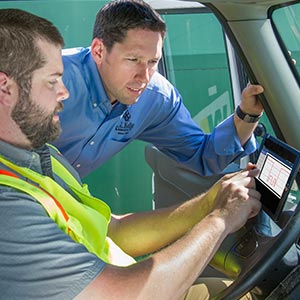
J. J. Keller® Compliance Tablet™
A simple, flexible, turnkey solution for integrating ELogs or Dash Cam Video technology into your fleet. Choose from the professional or rugged tablet.

Compliance guidance based on critical data from ELDs, paper logs, and time sheets.
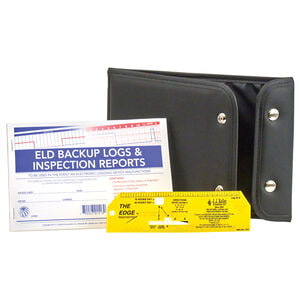
Help you comply with ELD mandate backup logbook requirements.
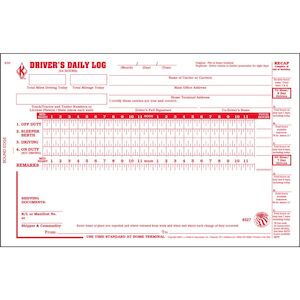
Help drivers meet duty status requirements when ELogs are not required.

ELD & Hours of Service Training
Get help complying with HOS regulations and ELD requirements. Several formats and specific training topics available.
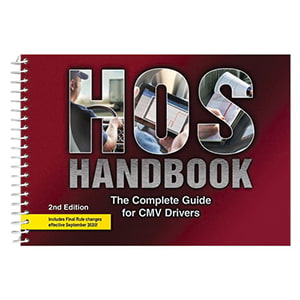
HOS Handbook: The Complete Guide for CMV Drivers
In-depth, plain-English explanation of all current hours-of-service requirements, for both truck and bus drivers.
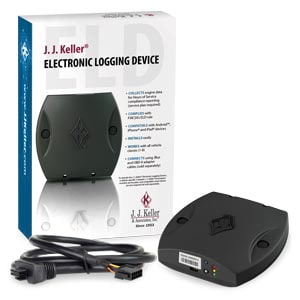
J. J. Keller® Electronic Logging Device
A flexible ELog solution. Use with the Encompass® ELD and Android™ smart devices.
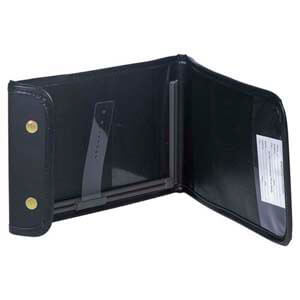
Critical log book supplies help your drivers keep their log books protected and calculate their entries accurately.
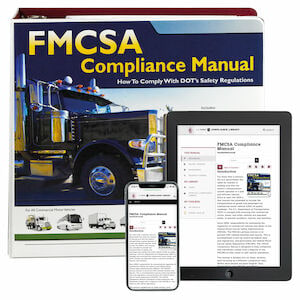
Provides comprehensive how-to information on critical topics, including HOS.
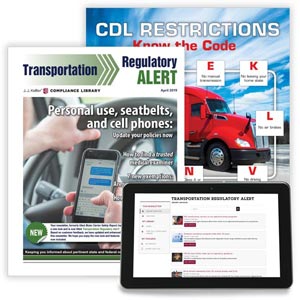
Transportation Regulatory Alert Newsletter
Quick-read transportation newsletter delivers the latest fleet safety and compliance news.
DOT Compliance & Safety Program Management Service
Work with a dedicated consultant to improve your safety and compliance through a customized program.