

 J. J. Keller and National Private Truck Council (NPTC)
J. J. Keller and National Private Truck Council share the mission to help transportation professionals protect drivers and employees, and to operate safely.
Our organizations offer co-sponsored educational webcasts for industry professionals regularly, on topics ranging from regulatory compliance to risk management and more. Please join us for a future topic using the links below, or download a previously presented webcast from the archive.
J. J. Keller is proud to be the exclusive sponsor of the respected NPTC Certified Transportation Professional© (CTP) program. Professionals who earn the CTP designation have demonstrated the ability to understand complex operational and regulatory issues, identify and evaluate potential costs and savings, and develop systems and practices that best meet a company’s transportation objectives and needs.
Learn more about the extensive J. J. Keller® resources and solutions for CTP professionals here
CSA: Where We Are Now and Where We Are Going - May 1, 2024 – 10:00 AM Central
While the Compliance, Safety, Accountability (CSA) program is not a regulation or set of regulations, it is the primary tool used to select carriers for intervention. For this reason, a carrier needs to have an understanding of how the system functions and therefore how to avoid an intervention.
In this webcast, our panel will discuss:
- What data is used to create the carrier’s scores
- How a carrier’s scores are created
- What a carrier can do to improve them
- Proposed changes to the CSA
Finally, you will also have a chance to get your questions answered throughout the live event!
Register
Related Solutions from J. J. Keller

J. J. Keller® Managed Services
We will help you navigate the complexities around the many regulatory responsibilities you hold as an employer related to DOT, OSHA, EPA, DOL and hundreds of state agencies.

J. J. Keller® Consulting Services
Will help you navigate the complexities around the many regulatory responsibilities you hold as an employer related to DOT, OSHA, EPA, DOL and hundreds of state agencies.
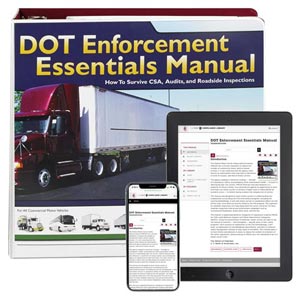
DOT Enforcement Essentials Manual
Your complete guide to surviving CSA, audits and roadside inspections.
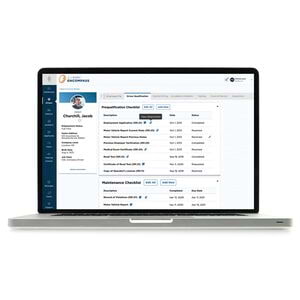
J. J. Keller® Encompass with Elogs Fleet Management System®
Partner with J. J. Keller® Managed Services to relieve your organization of time-consuming compliance management and recordkeeping for your drivers, vehicles and employees.
J. J. Keller® Training
Prepare your drivers for roadside inspections. Online preview available.